Residue-Free & Sustainable Farming: In recent years, farmers across India have been exploring smarter, healthier ways to grow crops that are not only good for the land but also fetch better prices in the market.
One of the most promising paths is Residue-Free & Sustainable Farming a way of cultivation that avoids harmful chemicals, protects the soil, and adds value to agricultural produce. And at the forefront of helping farmers adopt these practices is rupiya.app, a digital platform that combines modern technology with age-old agricultural wisdom.
🌾What Is Residue-Free Farming?
Residue-Free Farming means growing crops without leaving harmful chemical residues in the produce or soil. Traditionally, many farmers rely heavily on synthetic fertilizers and pesticides. While these can boost early growth, they often leave behind residues that can affect soil health, pollute water sources, and even end up in the food we eat. Residue-Free Farming avoids these chemicals and instead focuses on natural, safe alternatives that are kinder to the environment and to consumers’ health.
This approach improves long-term soil fertility, enhances ecosystem balance, and helps farmers access premium markets where consumers are willing to pay more for safe, clean produce.
🔄Switching to Residue-Free Farming: Practical Steps
Transitioning from conventional to residue-free farming might seem challenging, but with the right tools and guidance, farmers can make the shift smoothly. Here are practical steps to follow:
1. Understand Your Soil
Before choosing inputs, it’s essential to know what your soil needs. Soil varies widely across fields some patches may lack nutrients, while others may retain moisture differently. That’s where technology helps.
2. Use Natural Fertilizers
Instead of synthetic chemicals, use bio-based or organic fertilizers that strengthen soil and boost nutrient availability. Compared to chemical fertilizers, natural fertilizers help soil retain moisture and improve its structure.
3. Plan with Precision
A good farming plan includes knowing when to sow, when to add nutrients, and how to handle pests sustainably. rupiya.app offers features that help farmers plan each step based on field conditions and crop needs.
4. Monitor with Technology
Using satellite tools to track field conditions can drastically reduce guesswork and lessen waste. rupiya.app provides such tools directly in the app.
🛰️Satellite-Based Soil Testing: Smarter Decisions with Data
One of rupiya.app’s standout features is satellite-based soil testing. This doesn’t require you to dig soil samples or send them to a lab. Instead, satellites capture data about your fields including moisture levels, nutrient stress, and crop health and present it in a simple dashboard on your phone.
With this insight, farmers can:
- Know when and how much fertilizer to apply
- Avoid overuse of inputs
- Detect early stress in crops
- Make better irrigation decisions
This technology helps remove guesswork from farming and promotes efficient use of resources a key goal in sustainable agriculture.
🌿Organic Fertilizers and Bio-Inputs: Strengthen Your Crops Naturally
Residue-Free Farming thrives on natural soil health boosters. rupiya.app provides a range of organic and bio-based fertilizers designed to nourish crops without chemicals, such as:
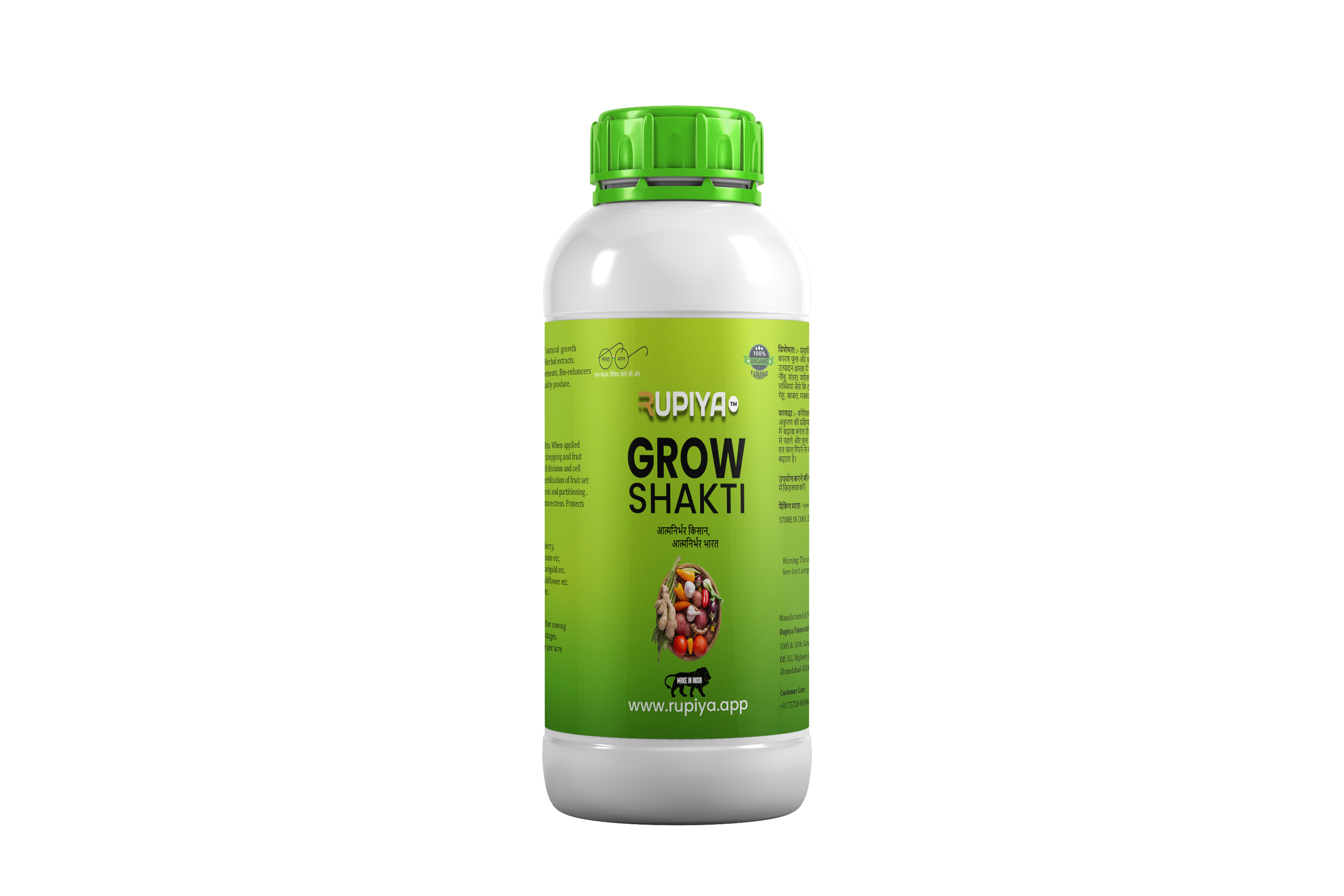
🌱Root Shakti
This product contains beneficial microbes that support strong root growth. Applied around the root zone, it helps plants absorb nutrients naturally and improves soil biology.
Residue-Free & Sustainable Farming
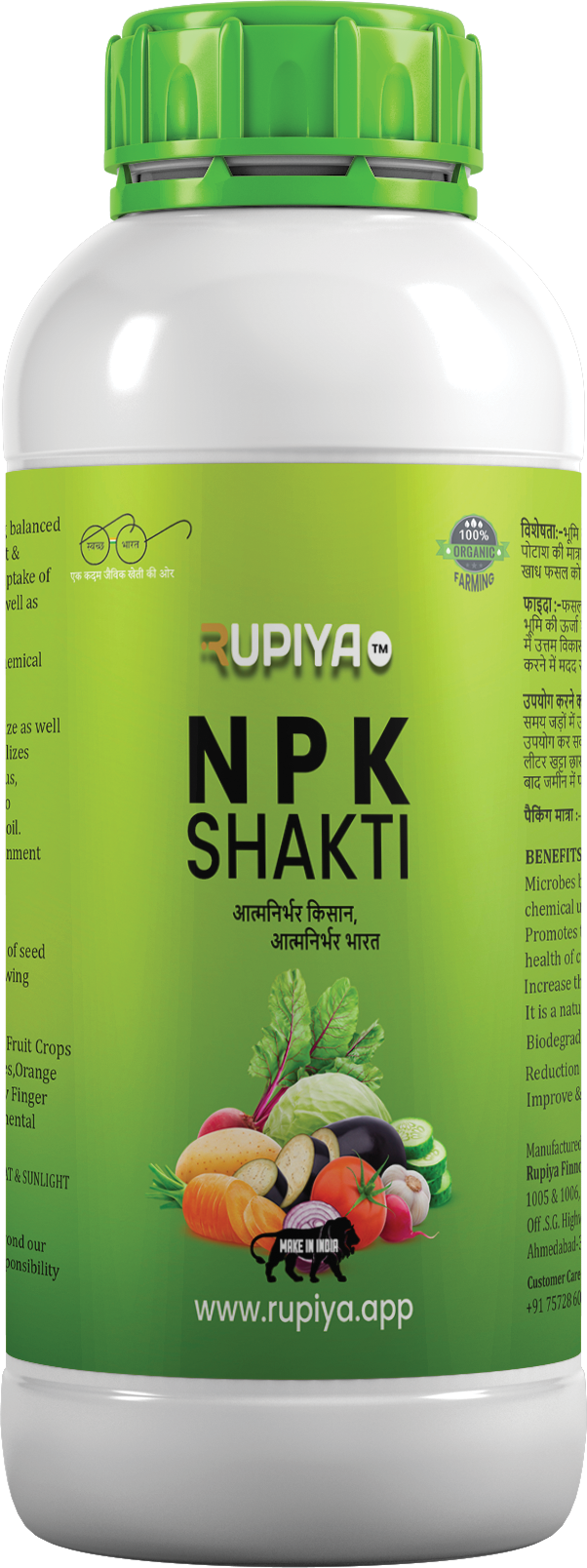
🌾N.P.K. Shakti
A balanced organic input that enhances soil nutrients like nitrogen, phosphorus, and potassium while reducing the need for chemical fertilizers.
🌿rupiya Orgo
A 100% organic granular fertilizer that improves soil structure and fertility over time acting as a sustainable alternative to chemical inputs.
Regular use of organic inputs helps boost soil health, improve yields, and support sustainable crop growth essential ingredients in residue-free agriculture.
📈Premium Markets and Better Returns
Residue-free produce often meets growing consumer demand for healthy and safe food. This can unlock premium market opportunities where buyers are willing to pay more for chemical-free produce. Coupled with strong soil health and lower input costs, this means higher profits for farmers over time.
Also Read: Digital Gold Investment
🤝rupiya.app: Your Partner in Sustainable Farming
Beyond tools and fertilizers, rupiya.app supports farmers with:
- Tailored guidance and crop plans
- Easy access to loans and crop insurance
- Expert advice whenever needed
- Market support, including grading and selling crops
- Carbon credit options for sustainable practices
With these, farmers don’t just grow better crops they grow a better future
What is residue-free farming?
Residue-free farming is a method of cultivation where crops are grown without leaving harmful chemical residues in the soil or harvested produce. It focuses on using safer, bio-based inputs instead of synthetic chemicals.
How is residue-free farming different from organic farming?
Organic farming follows strict certification rules and completely avoids chemical inputs. Residue-free farming focuses on reducing or eliminating harmful residues while allowing farmers to gradually transition using safer alternatives, making it more practical and flexible.
How does rupiya.app support residue-free farming?
rupiya.app supports residue-free farming by offering satellite-based field insights, guidance on input usage, and access to bio-based and organic fertilizers that help reduce chemical dependency.
What is satellite-based soil testing in rupiya.app?
Satellite-based soil testing uses satellite data to analyze field conditions such as crop health, moisture levels, and nutrient stress. This helps farmers make informed decisions about fertilizer and irrigation use without frequent physical soil tests.
Can satellite insights really help reduce fertilizer use?
Yes. By understanding exactly where nutrients are needed, farmers can avoid over-application of fertilizers. This saves money, improves soil health, and supports sustainable farming practices.
What is “Root Shakti” and how does it help crops?
Root Shakti is a bio-based input offered through rupiya.app that supports stronger root development. Healthy roots improve nutrient absorption and overall crop strength without harming soil life.
Are organic fertilizers effective compared to chemical fertilizers?
Organic fertilizers may work slower than chemical fertilizers, but they improve soil structure, enhance microbial activity, and provide long-term fertility benefits, making them effective for sustainable farming.
Does residue-free farming reduce crop yield?
When done correctly, residue-free farming does not necessarily reduce yields. With proper planning, soil understanding, and balanced nutrition, farmers can maintain or even improve crop performance over time.
Can residue-free produce get better market prices?
Yes. Many buyers and consumers prefer produce grown with minimal chemical use. Residue-free crops can help farmers access premium markets where food safety and quality are valued.
Is rupiya.app suitable for small and marginal farmers?
Yes. rupiya.app is designed to be farmer-friendly and accessible, providing digital tools, expert guidance, and agricultural solutions that can benefit small, medium, and large farmers alike.