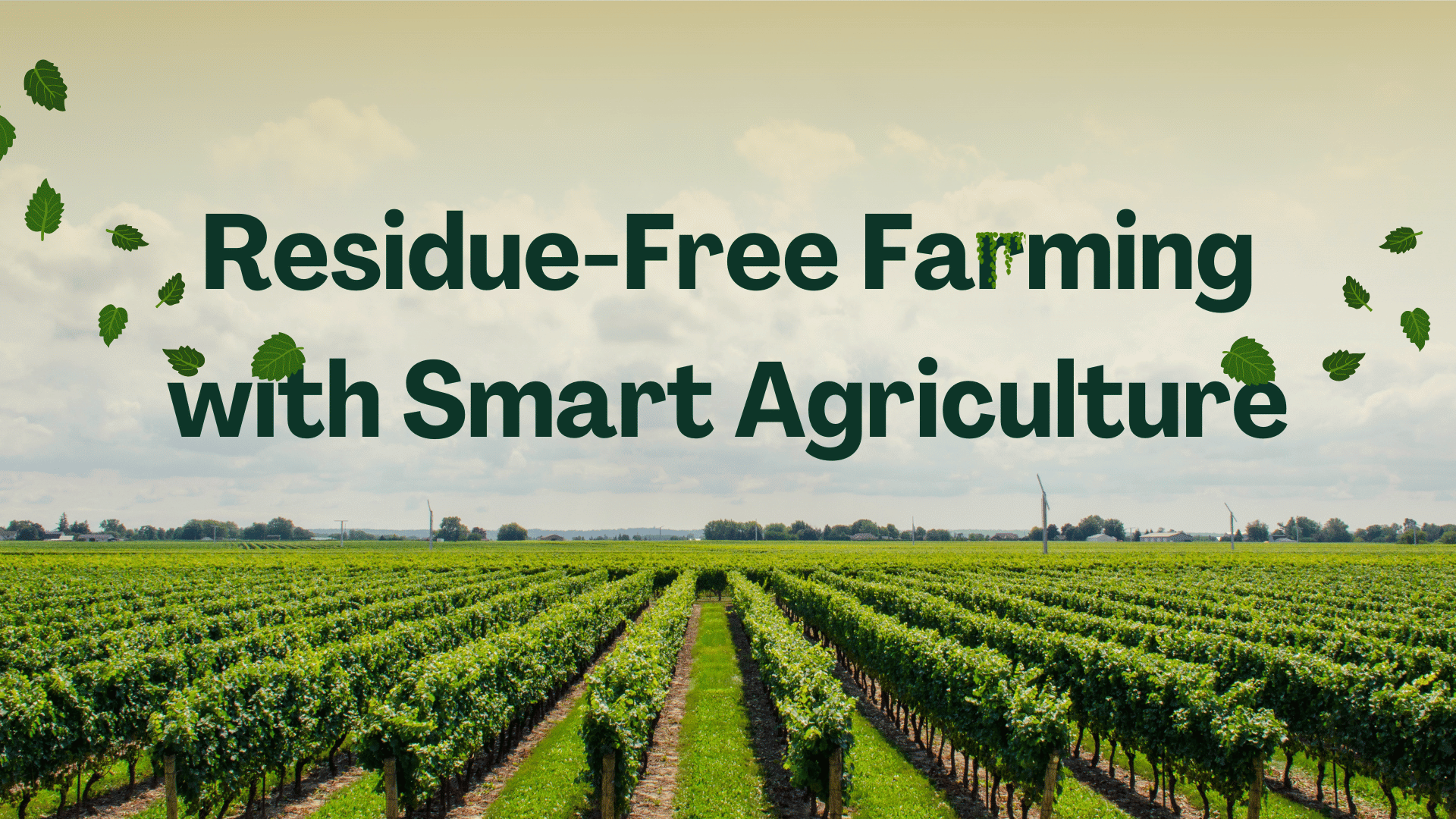
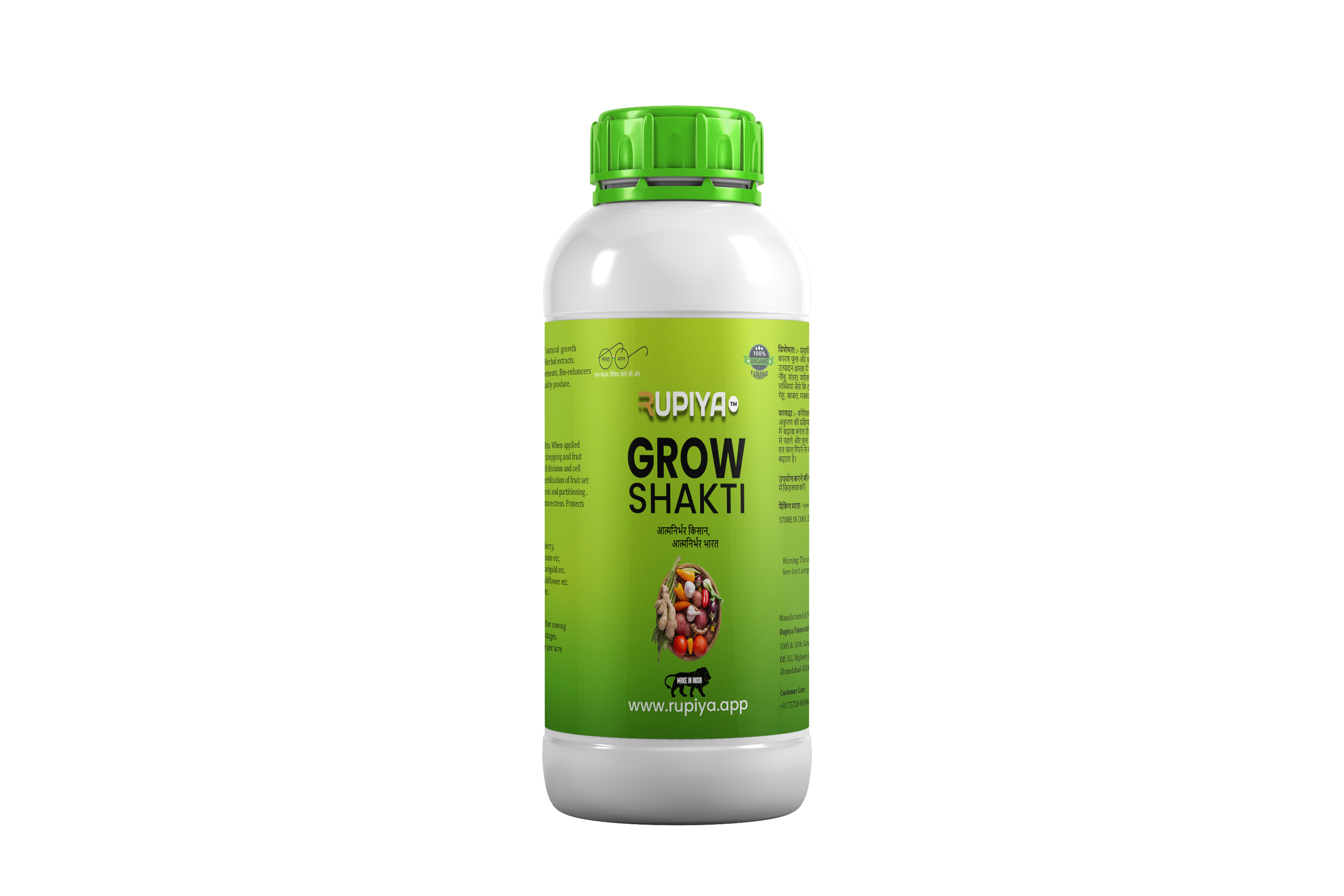
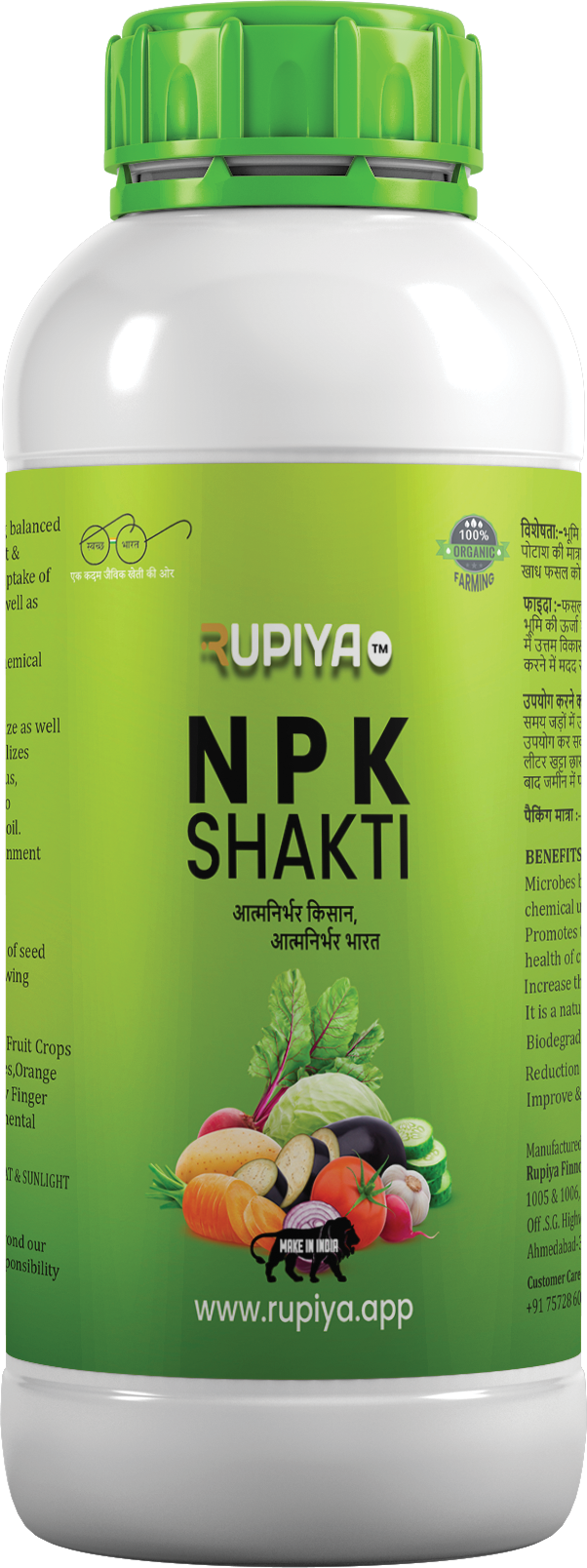
Residue-Free Meaning: When buying food, water, or daily-use products, many consumers come across the term “residue-free.” Understanding what this term actually means is important for making safe and financially smart choices, which aligns with the purpose of platforms like rupiya.app helping users make informed decisions.
This article explains the true meaning of residue-free, where it is used, and why it matters, without exaggeration or confusion.
What Does Residue-Free Mean?
Residue-free means that a product does not contain harmful leftover substances beyond the safety limits set by regulatory authorities.
These leftover substances, called residues, may come from:
- Pesticides used in farming
- Antibiotics used in dairy or poultry
- Chemicals used during processing or cleaning
A product labeled residue-free means that:
- Either no harmful residues are present, or
- Any residues are below the Maximum Residue Limit (MRL) considered safe for human use or consumption
Residue-free does not automatically mean chemical-free. It means safe as per scientific and legal standards.
What Are Residues and Why Do They Matter?
Residues are small traces of substances that remain after a product is produced or treated. While small amounts may be safe, excessive or long-term exposure can lead to health issues.
Examples:
- Pesticide residue on fruits and vegetables
- Antibiotic residue in milk
- Chemical residue in drinking water
Residues are often invisible and cannot be detected without testing, which is why regulation and awareness are important.
Where Is the Term Residue-Free Commonly Used?
Residue-free is most relevant in everyday consumer categories:
Food and Agriculture
Used for fruits, vegetables, grains, and pulses grown using controlled chemical practices.
Dairy and Poultry
Milk, eggs, and meat tested to ensure antibiotic or hormone residues are within safe limits.
Residue-Free Meaning
Drinking Water
Water tested to ensure chemical and metal residues are below permissible levels.
Household Products
Cleaning and baby products designed to avoid harmful chemical residue on skin or surfaces.
Residue-Free vs Organic: Not the Same
Many consumers confuse residue-free with organic, but they are different.
- Organic products follow strict rules and avoid synthetic chemicals entirely.
- Residue-free products may use chemicals but only within safe limits.
From a cost and practicality point of view, residue-free products are often more affordable, making them a realistic choice for most households. Residue-Free Meaning
Why Residue-Free Matters for rupiya.app Users
rupiya.app focuses on value, savings, and smart choices. Choosing residue-free products supports:
- Better long-term health
- Reduced medical expenses
- Safer daily consumption
- Better quality assurance for money spent
Poor health leads to higher financial burden. Safe consumption is not just a health issue it is a financial planning decision.
How Are Residue-Free Products Verified?
Residue-free claims are checked through:
- Laboratory testing
- Government food and safety standards
- Maximum Residue Limit (MRL) guidelines
Products that comply with these limits are legally approved for sale and consumption.
How Can Consumers Make Better Choices?
Simple, practical steps:
- Buy from trusted brands or sellers
- Wash fruits and vegetables thoroughly
- Avoid unusually cheap products with no quality checks
- Prefer regulated and tested products
These steps help protect both health and money.
Residue-Free Meaning
Also Read: What is Carbon Credit Program?
Conclusion
Residue-free does not mean perfect or chemical-free, it means safe and controlled. For consumers using rupiya.app to make smarter decisions, understanding residue-free helps balance safety, affordability, and long-term value.
What does residue-free mean in simple words?
Residue-free means a product does not contain harmful leftover chemicals beyond safe limits. Any residues present are within government-approved safety standards.
Does residue-free mean no chemicals are used?
No. Residue-free does not mean chemical-free. It means chemicals, if used, are controlled and do not remain at unsafe levels in the final product.
Is residue-free food safe to eat daily?
Yes. Residue-free food meets safety standards and is considered safe for regular consumption when used as intended.
How is residue-free different from organic?
Organic products avoid synthetic chemicals completely. Residue-free products may use chemicals but ensure residues are below safe limits.
What types of residues are commonly tested?
Common residues include pesticide residues, antibiotic residues, heavy metals, and processing chemicals, depending on the product type.
Who decides the safe residue limits?
Government food and safety authorities set Maximum Residue Limits (MRLs) based on scientific research and health studies.
Can washing food remove residues?
Washing fruits and vegetables can reduce surface residues but may not remove all residues completely. Buying tested products is still important.
Are residue-free products more expensive?
Not always. Residue-free products are generally more affordable than organic products and offer good value for money.
Is residue-free labeling regulated?
Yes. Residue-free claims are regulated and usually supported by laboratory testing and compliance with safety standards.
Why should consumers care about residue-free products?
Residue-free products help reduce health risks, support long-term well-being, and prevent unnecessary medical expenses making them a smart consumer choice.