Indian Agriculture Is Changing: Indian agriculture is entering an important phase of change. In recent months, government policies, farmer awareness, and consumer demand have all pointed in one clear direction cleaner, safer, and more responsible farming. Today, farming is no longer only about producing more. It is also about producing better.
Across India, discussions around chemical residues in food, soil health, and sustainable practices are becoming stronger. Consumers are asking where their food comes from, how it is grown, and what remains on it after harvest. At the same time, farmers are looking for ways to reduce costs, protect their land, and access better market opportunities.
Growing Focus on Residue-Free and Natural Farming
Recently, several states have increased their focus on natural farming, organic practices, and residue testing. Governments are encouraging reduced chemical usage and supporting awareness programs that help farmers understand the long-term impact of excessive fertilizers and pesticides.
Residue-free farming does not mean stopping farming inputs completely. It means using inputs responsibly, in the right quantity, at the right time, so that harmful residues do not remain in crops or soil. This approach helps protect consumer health and also improves soil fertility over time.
Farmers who follow residue-free practices often notice better soil structure, healthier crops, and lower dependency on repeated chemical sprays. More importantly, residue-free produce is gaining importance in premium markets and exports, where quality standards are becoming stricter.
Why Farmers Are Paying Attention
The cost of farming has increased in recent years from fertilizers to labour. Many farmers are now realizing that excessive chemical use does not always mean higher yield. In fact, it often leads to higher costs and long-term soil damage.
By adopting cleaner and more balanced farming practices, farmers can:
- Reduce unnecessary input expenses
- Improve crop quality
- Protect soil health for future seasons
- Build trust with buyers and consumers
This shift is not happening overnight, but awareness is growing steadily.
Where rupiya.app Fits In
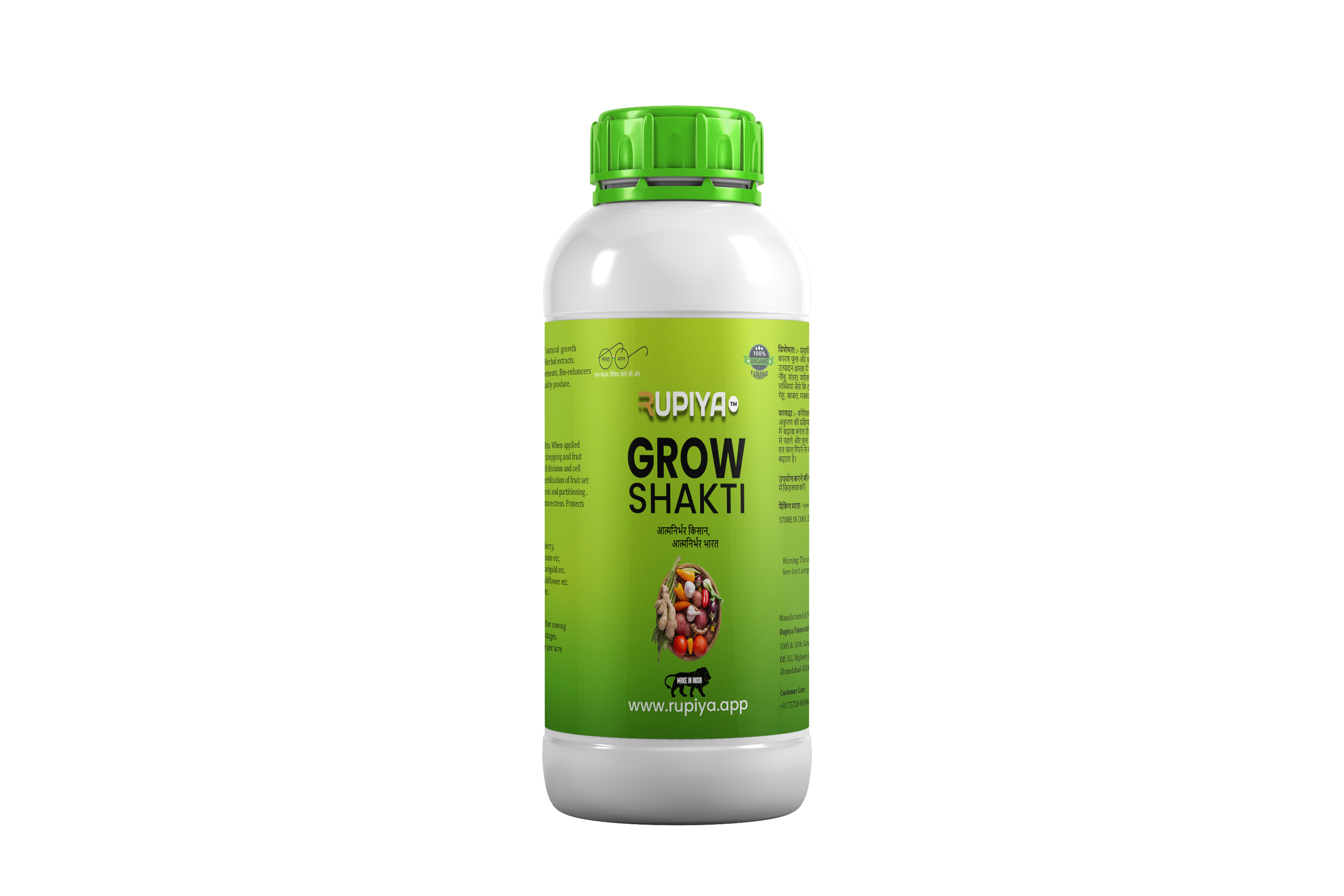
rupiya.app is built around this changing reality of Indian agriculture. The platform focuses on supporting farmers who move toward responsible, residue-free farming practices and helping them connect with better opportunities.
Instead of pushing technology for the sake of it, rupiya.app supports the idea that good farming should be rewarded. Farmers who take care of their soil, reduce harmful residues, and focus on quality deserve better recognition and value.
By creating awareness around residue-free farming and supporting responsible practices, rupiya.app aligns with the broader movement happening across Indian agriculture today.
A Better Future for Farmers and Consumers
The future of farming in India depends on balance between productivity and sustainability, between income and responsibility. Recent developments show that the ecosystem is slowly moving in this direction.
Also Read: Cash treat from rupiya.app
For farmers, residue-free farming offers long-term stability. For consumers, it means safer food. For the environment, it means healthier soil and water.
Platforms like rupiya.app play an important role in this journey by encouraging better practices and supporting farmers who choose to farm responsibly. Because when farming is done right, everyone benefits from the field to the plate.
What does residue-free farming mean?
Residue-free farming means growing crops in a way that harmful chemical residues do not remain on the produce or in the soil after harvest. It focuses on responsible and balanced use of fertilizers and pesticides, not overuse.
Is residue-free farming the same as organic farming?
No. Organic farming avoids synthetic chemicals completely, while residue-free farming allows limited, responsible use of inputs to ensure residues stay within safe or negligible levels.
Why is residue-free farming becoming important in India?
Consumers are becoming more aware of food safety, and markets are demanding cleaner produce. Residue-free farming helps farmers meet quality standards, protect soil health, and access better market opportunities.
How does residue-free farming benefit farmers?
It helps reduce unnecessary input costs, improves soil fertility over time, and produces better-quality crops. Farmers can also build long-term trust with buyers and consumers.
Does residue-free farming reduce crop yield?
No, when practiced correctly. Responsible input use often improves crop health and balance, which can maintain or even improve yields while lowering overall farming costs.
How can farmers start practicing residue-free farming?
Farmers can start by following recommended dosage guidelines, avoiding excessive spraying, improving soil health, and choosing quality inputs. Awareness and gradual changes make the transition easier.
What role does soil health play in residue-free farming?
Healthy soil reduces the need for heavy chemical usage. Better soil structure and microbial activity support natural crop growth and help prevent long-term damage caused by excessive chemicals.
How does rupiya.app support farmers in residue-free agriculture?
rupiya.app supports farmers by encouraging responsible farming practices, spreading awareness about residue-free agriculture, and connecting farmers to better opportunities that value quality and sustainability.
Can small and marginal farmers adopt residue-free farming?
Yes. Residue-free farming is suitable for all farm sizes. In fact, small farmers often benefit the most through reduced input costs and improved crop quality.
Why should consumers care about residue-free farming?
Residue-free farming ensures safer food, protects long-term soil health, and supports farmers who practice responsible agriculture. It benefits everyone from farmers to families.