Regenerative Farming: Agriculture today is facing multiple challenges. Declining soil fertility, rising input costs, unpredictable weather, and increasing concern about food quality are pushing farmers to rethink traditional farming methods.
Regenerative farming is emerging as a practical approach that focuses on restoring soil health while maintaining consistent crop production. Instead of extracting nutrients from the land, this method works towards rebuilding the natural strength of the soil.
What Is Regenerative Farming?
Regenerative farming is an agricultural practice that aims to improve soil health by reducing excessive chemical use and supporting natural soil processes. The focus is on restoring soil structure, increasing organic matter, and encouraging beneficial microorganisms. Over time, this leads to healthier soil that can support crops more efficiently and sustainably.
Unlike conventional farming, which often prioritizes short-term yield, regenerative farming looks at long-term land productivity. It encourages farmers to work with nature rather than against it, helping farms remain productive for future generations.
Why Soil Health Matters
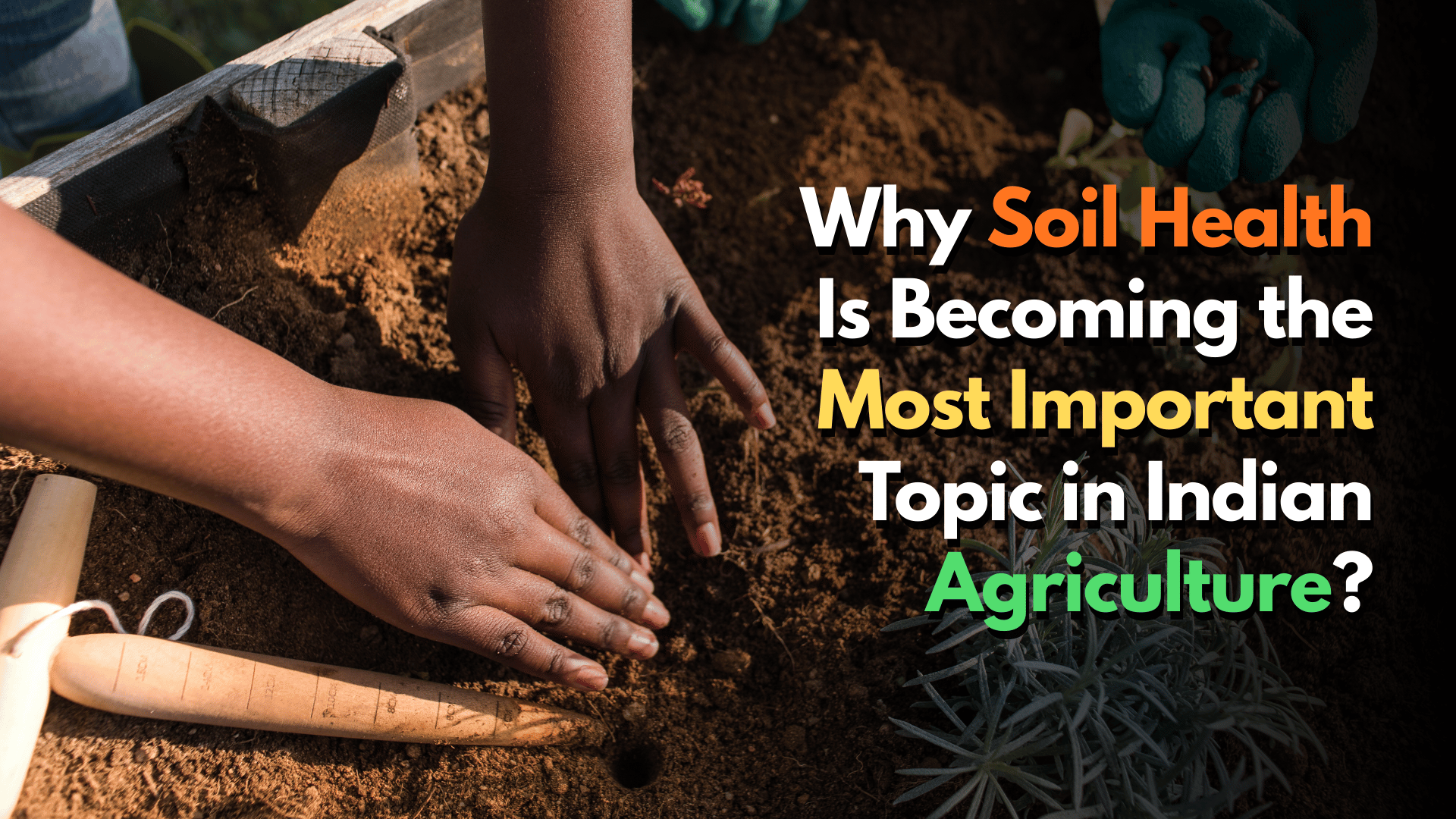
Soil is more than just a growing medium for crops. Healthy soil stores nutrients, retains moisture, and supports microbial life that naturally feeds plants. Continuous overuse of chemical fertilizers and pesticides can damage soil structure, reduce organic content, and weaken its ability to hold water.
Regenerative farming addresses these issues by improving soil balance. When soil health improves, crops become more resilient to weather changes such as drought or heavy rainfall. This stability is especially important as climate conditions become increasingly unpredictable.
Key Practices in Regenerative Farming
Several practices support regenerative farming, depending on crop type and region:
- Reduced use of chemical fertilizers and pesticides
- Balanced and need-based nutrient application
- Improving organic matter in the soil
- Protecting soil from erosion and nutrient loss
These practices help soil recover naturally while still supporting crop growth. Farmers can adopt them gradually without completely changing their existing farming systems.
Role of Technology in Regenerative Farming
Modern technology is playing an important role in making regenerative farming more practical and data-driven. Tools like soil analysis, remote sensing, and crop monitoring help farmers understand what their land actually needs.
Accurate soil information allows farmers to avoid unnecessary input use and focus on improving long-term soil health. With better planning, farmers can reduce costs while protecting their land from degradation.
Benefits for Farmers and Consumers
Regenerative farming offers benefits beyond the farm. Farmers experience improved soil fertility, better water retention, and more stable crop performance over time. Reduced dependency on chemicals can also lower input costs.
Also Read: India’s AI Mission on Digital Agriculture!
For consumers, regenerative farming supports safer and more responsibly grown food. As awareness about food quality increases, crops grown using sustainable methods are gaining preference in urban and premium markets.
Moving Toward Sustainable Agriculture
Regenerative farming is not a quick fix, but it is a long-term investment in land and livelihoods. It allows farmers to protect their soil while continuing to farm productively. Digital agricultural platforms like rupiya.app support this transition by offering soil-based insights and practical guidance that help farmers make informed decisions.
As agriculture continues to evolve, regenerative farming provides a balanced approach that connects productivity, sustainability, and soil restoration. By focusing on soil health today, farmers can ensure stronger and more resilient farms for the future.
What is regenerative farming?
Regenerative farming is an agricultural approach that focuses on improving and restoring soil health while continuing regular crop production.
How is regenerative farming different from conventional farming?
Conventional farming often focuses on short-term yield, while regenerative farming emphasizes long-term soil fertility, sustainability, and balanced nutrient use.
Why is soil health important in regenerative farming?
Healthy soil supports better nutrient absorption, water retention, and microbial activity, which helps crops grow stronger and more resilient.
Does regenerative farming completely avoid chemicals?
No, regenerative farming does not always eliminate chemicals but encourages reduced and need-based use to avoid long-term soil damage.
Can regenerative farming be adopted gradually?
Yes, farmers can adopt regenerative practices step by step without completely changing their existing farming systems.
What role does soil testing play in regenerative farming?
Soil testing helps farmers understand nutrient levels and soil condition, allowing them to apply inputs more accurately and avoid overuse.
Does regenerative farming affect crop yields?
In many cases, regenerative farming helps maintain stable yields while improving soil health over time.
How does regenerative farming help with climate challenges?
Healthier soil retains moisture better and supports stronger crops, making farms more resilient to droughts and unpredictable weather.
Is regenerative farming suitable for all types of crops?
Regenerative principles can be applied to most crops, though specific practices may vary depending on region and crop type.
How does regenerative farming benefit consumers?
Consumers benefit from food grown using more sustainable practices that support soil health and responsible farming.
Is regenerative farming expensive for farmers?
Regenerative farming focuses on balanced input use, which can help reduce unnecessary costs over time rather than increase them.
How long does it take to see results from regenerative farming?
Soil improvement happens gradually, but farmers may notice better soil structure and crop stability over multiple seasons.
Does regenerative farming require special equipment?
In most cases, regenerative farming can be practiced using existing farm equipment, with changes mainly in planning and input use.
Can small and medium farmers adopt regenerative farming?
Yes, regenerative farming is suitable for farms of all sizes and can be adapted based on local conditions and resources.
How does regenerative farming support long-term land productivity?
By restoring soil health and reducing degradation, regenerative farming helps keep farmland productive for future seasons.