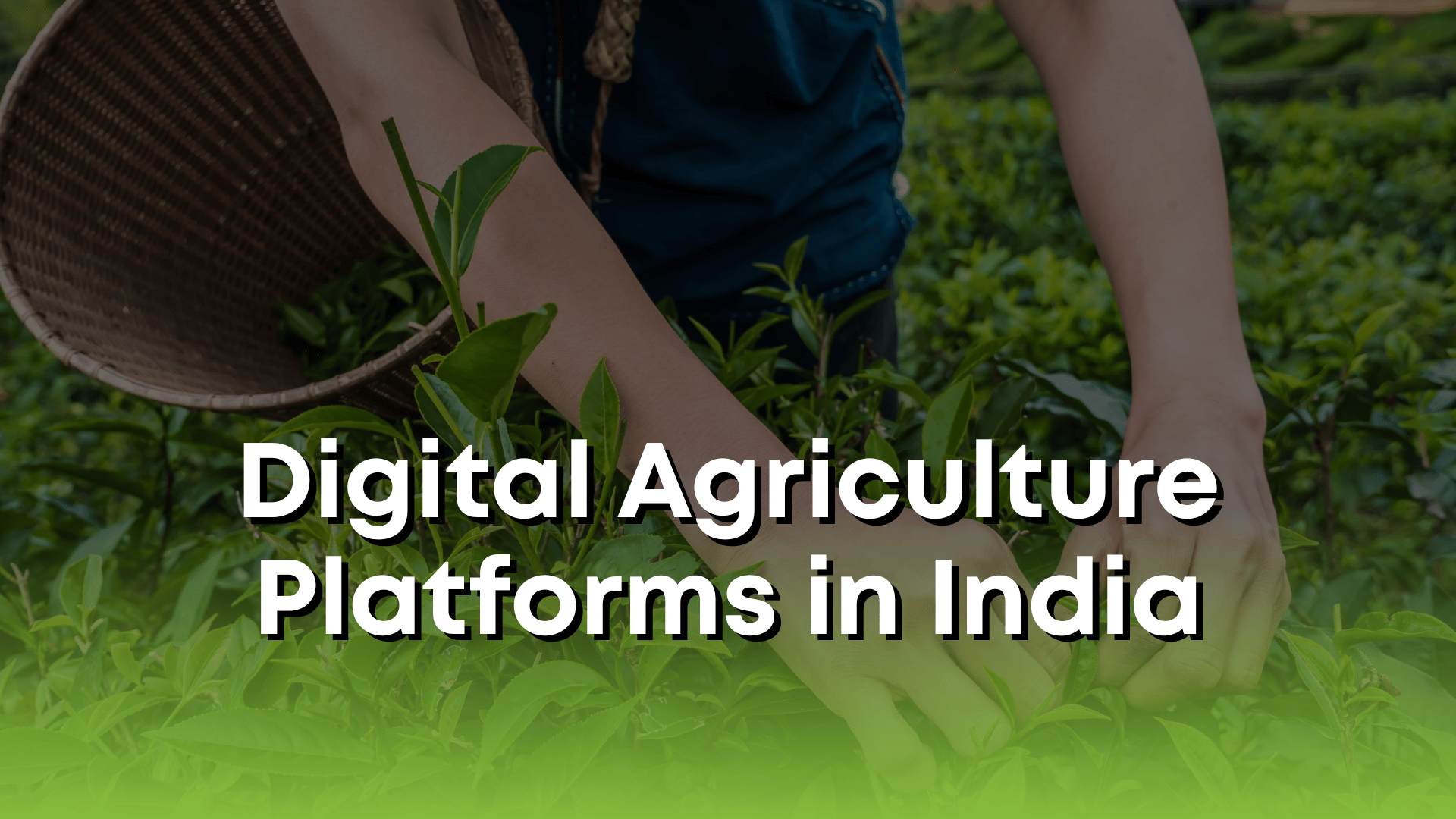
Digital Agriculture Platforms in India: India’s agriculture sector is gradually integrating digital solutions to improve efficiency, transparency, and access to markets. With increasing smartphone usage and stronger digital infrastructure in rural areas, farmers today are exploring app-based platforms for purchasing agricultural inputs and connecting with buyers.
Among these platforms is rupiya.app, a digital agriculture platform that supports farmers with access to agri-inputs, crop-selling options, and farming-related services. This article explains how such platforms function and why they are becoming relevant in India’s agricultural ecosystem.
The Role of Digital Platforms in Agriculture
Agriculture in India has traditionally depended on physical markets, local dealers, and offline advisory systems. While these systems remain important, digital platforms are helping organize information and services in a more structured way.
Key factors driving this shift include:
- Increased rural internet penetration
- Wider adoption of digital payments
- Growing awareness of market price transparency
- Government focus on agricultural modernization
Digital agriculture platforms operate as support systems. They provide farmers with easier access to products, services, and information through mobile applications, without replacing existing mandi systems or traditional supply chains.
rupiya.app functions within this framework by offering agriculture-focused services through a digital interface designed for farmers and rural users.
Core Services Offered Through rupiya.app
rupiya.app focuses specifically on agriculture-related needs. Its services are structured around three primary areas:
1. Access to Agricultural Inputs
Timely access to quality inputs such as seeds, fertilizers, and crop protection products is essential for farm productivity. Digital platforms help organize availability and improve accessibility by allowing farmers to explore options through a single platform.
Streamlined access to inputs can help farmers:
- Plan sowing cycles more efficiently
- Compare available products
- Reduce time spent sourcing materials
The objective is convenience and structured access rather than altering the existing agricultural supply chain.
2. Crop Selling and Market Linkages
One of the ongoing challenges in agriculture is market visibility. Price awareness and buyer access can influence farmer income decisions.
Digital platforms aim to provide clearer price visibility and structured crop-selling support. By enabling better connectivity between farmers and buyers, such systems help improve transparency in transactions.
rupiya.app provides digital access to crop-selling mechanisms, supporting farmers who prefer structured, app-based engagement.
3. Farming Support and Information Access
In addition to inputs and crop sales, agriculture platforms may offer services related to soil health, productivity insights, or general farming support. These tools are designed to assist farmers in making informed operational decisions.
The focus remains informational and supportive, rather than promotional or exaggerated.
Why Digital Agriculture Tools Are Becoming Important
India continues to prioritize agricultural development through policy reforms, infrastructure investment, and digital integration. The expansion of digital payment systems has made transactions easier in rural markets, and smartphone accessibility has enabled wider adoption of mobile-based solutions.
Digital agriculture platforms are becoming relevant because they:
- Reduce dependency on multiple intermediaries for information
- Improve convenience in accessing services
- Support transparent communication
- Provide structured digital records of transactions
However, it is important to recognize that digital platforms are tools that complement existing systems. They assist farmers but do not eliminate the need for physical markets, agricultural expertise, or traditional trading networks.
Also Read: Get Instant Personal Loan!
Conclusion
India’s agricultural ecosystem is evolving alongside the country’s broader digital transformation. As rural connectivity improves and digital familiarity increases, platforms that organize agricultural inputs, crop-selling options, and support services into a single interface are gaining practical relevance.
rupiya.app operates within this growing digital agriculture space by offering farmers structured access to agriculture-related services. Its role is functional focused on improving accessibility and transparency without replacing traditional agricultural systems.
As digital adoption continues to expand across rural India, platforms that remain practical, transparent, and agriculture-focused will continue to contribute to the modernization of farming processes.
How is technology changing agriculture in India?
Technology is helping farmers access market prices, weather updates, soil data, and digital payment systems more easily. Mobile apps and digital platforms are improving information flow and reducing delays in decision-making.
Why is market price transparency important for farmers?
Transparent pricing helps farmers make informed decisions about when and where to sell their crops. Better price visibility can reduce uncertainty and improve planning around harvest and storage.
How are digital payments impacting rural agriculture?
Digital payments have simplified transactions between buyers, sellers, and input suppliers. They reduce dependency on cash and create digital records, which can improve financial tracking and accountability.
What role do agricultural inputs play in crop productivity?
Quality seeds, fertilizers, and crop protection products directly influence yield and crop health. Timely access to inputs is essential for maintaining productivity throughout the farming cycle.
Why is soil health becoming a major focus in Indian agriculture?
Soil health affects crop yield and long-term farm sustainability. Increased awareness and soil testing initiatives are encouraging balanced fertilizer use and improved nutrient management.
How is the government supporting agricultural modernization?
Government initiatives focus on improving irrigation, promoting high-value crops, encouraging digital agriculture tools, and expanding infrastructure such as storage and logistics.
What are market linkages in agriculture?
Market linkages refer to structured connections between farmers and buyers. Stronger linkages help reduce intermediaries and improve access to fair pricing opportunities.
How is rural internet penetration influencing farming practices?
Increased smartphone and internet access in rural areas allows farmers to access information, compare products, and stay updated on market developments more easily than before.
Why is crop diversification being encouraged?
Crop diversification helps reduce risk, improve soil sustainability, and increase income opportunities by moving beyond single-crop dependence.
What challenges still exist in Indian agriculture?
Despite technological progress, challenges such as price volatility, climate variability, supply chain gaps, and access to timely information continue to affect farmers across regions.