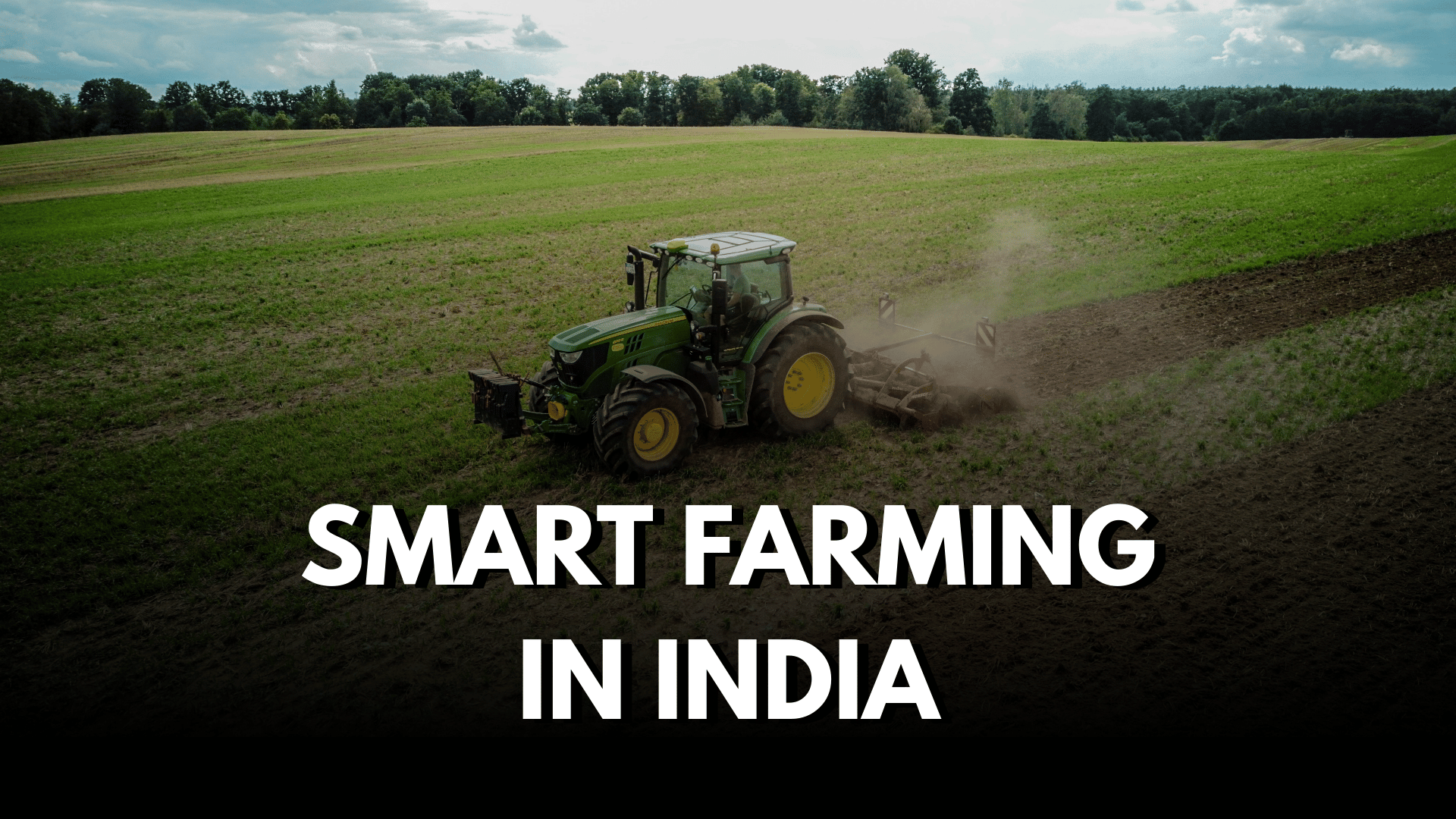
Smart Drone Deployment in Rural India: Indian agriculture is changing, and technology is becoming an important partner for farmers. One of the most promising innovations today is the use of agricultural drones in rural India. From spraying crops to mapping soil health, drones are helping farmers work smarter, reduce costs, and protect the environment.
This shift has also created a new movement called “dronepreneurship”, where rural youth are trained to operate drones professionally. This trend is opening new income opportunities while supporting sustainable farming goals an approach that aligns closely with rupiya.app’s vision of residue-free and responsible agriculture.
What Is Smart Drone Deployment?
Smart drone deployment means using drones for specific agricultural tasks such as:
- Precision spraying of fertilizers and pesticides
- Crop health monitoring
- Soil and field mapping
- Identifying pest or disease-affected areas
Unlike traditional spraying methods, drones apply inputs only where needed, rather than across the entire field. This targeted approach saves resources and protects both crops and soil.
Rise of Dronepreneurship in Rural India
Across India, government programs, agri-startups, and training institutes are actively promoting drone training for rural youth. The aim is to create skilled drone operators who can offer services to local farmers.
According to industry and policy reports, the long-term goal is to train tens of thousands of rural youths by 2030. These trained individuals can earn by providing drone services on a per-acre basis, while farmers avoid the high cost of owning a drone themselves.
This model benefits everyone:
- Youth gain a modern, tech-enabled livelihood
- Farmers get affordable access to advanced tools
- Rural economies become stronger
How Drones Help Reduce Chemical Usage
One of the biggest advantages of drones is precision spraying. Traditional spraying often leads to overuse of chemicals, uneven application, and high wastage. Drones, on the other hand:
- Spray only targeted areas
- Use controlled and accurate quantities
- Reduce drift to nearby crops and water sources
Studies and field trials in India have shown that chemical usage can be reduced by around 15-20% through drone-based spraying. This reduction directly supports residue-free farming, which is essential for food safety, soil health, and long-term sustainability.
Supporting Residue-Free Farming
Residue-free farming is becoming increasingly important as consumers demand safer food and export standards become stricter. Excess chemical residue not only affects human health but also damages soil biodiversity over time.
Also Read: Personal Loan provider? Obviously rupiya.app
By enabling lower chemical input with higher efficiency, drones help farmers move closer to residue-free practices without compromising crop yield. This is exactly where rupiya.app’s mission fits in supporting farmers who adopt cleaner, smarter, and more sustainable farming methods.
Economic Benefits for Farmers
Using drones is not just about technology it is also about saving money and time:
- Less chemical wastage means lower input costs
- Faster spraying saves labor and time
- Reduced crop damage from manual spraying
When farmers spend less on inputs and get better-quality produce, their overall income potential improves. Platforms like rupiya.app aim to further support such farmers by connecting them to better opportunities, rewards, and sustainable value chains.
The Road Ahead
Smart drone deployment in rural India is still growing, but the direction is clear. As training expands, costs come down, and awareness increases, drones will become a regular part of Indian farming.
For farmers, this means cleaner fields, healthier crops, and better profits. For rural youth, it means modern skills and stable income. And for platforms like rupiya.app, it means strengthening the ecosystem of residue-free, future-ready agriculture.
Conclusion
Drones are no longer just flying machines they are tools of transformation in Indian agriculture. By reducing chemical usage, enabling precision farming, and creating rural employment, smart drone deployment is shaping a more sustainable future.
At rupiya.app, we believe that when technology supports farmers responsibly, everyone benefits from the soil to the consumer.
What is smart drone deployment in agriculture?
Smart drone deployment means using agricultural drones for specific farming tasks like spraying, crop monitoring, and field mapping. These drones work with precision, applying inputs only where required, instead of covering the entire field unnecessarily.
How are drones useful for farmers in rural India?
Drones help farmers save time, reduce labor costs, and use fertilizers and pesticides more efficiently. They also help detect crop stress, pest attacks, and disease early, allowing farmers to take timely action
What is dronepreneurship?
Dronepreneurship refers to the practice where trained rural youth operate agricultural drones as a service. Instead of farmers buying expensive drones, they can hire these trained operators on a per-acre basis, making advanced technology affordable.
Do farmers need to buy drones to use this technology?
No. Most farmers can access drone services through trained drone operators. This model reduces financial burden on farmers while still giving them the benefits of modern farming technology.
How do drones reduce chemical usage in farming?
Drones use precision spraying, which targets only affected areas of the field. This reduces overuse, prevents uneven spraying, and minimizes chemical drift, helping cut chemical usage by approximately 15–20%.
Can drones support residue-free farming?
Yes. By applying controlled and accurate amounts of chemicals, drones help reduce chemical residues on crops and in the soil. This supports residue-free farming practices without affecting crop yield.
Are drones safe for crops, farmers, and the environment?
When used correctly by trained operators, agricultural drones are safe. They reduce human exposure to chemicals, prevent soil compaction, and lower the risk of chemicals spreading to nearby water sources or crops.
How do drones improve farmers’ income?
Drones help farmers reduce input costs, save time, and improve crop quality. Better-quality produce and lower expenses can increase overall income and market opportunities for farmers.
How does smart drone deployment help rural youth?
It creates new job opportunities by equipping rural youth with modern technical skills. Trained drone operators can earn steady income by offering services to multiple farmers in their region.
How does rupiya.app support smart and residue-free agriculture?
rupiya.app supports farmers who adopt responsible and residue-free practices by connecting them to sustainable value chains, incentives, and opportunities. The platform aligns with smart technologies like drones that promote cleaner, more efficient farming.