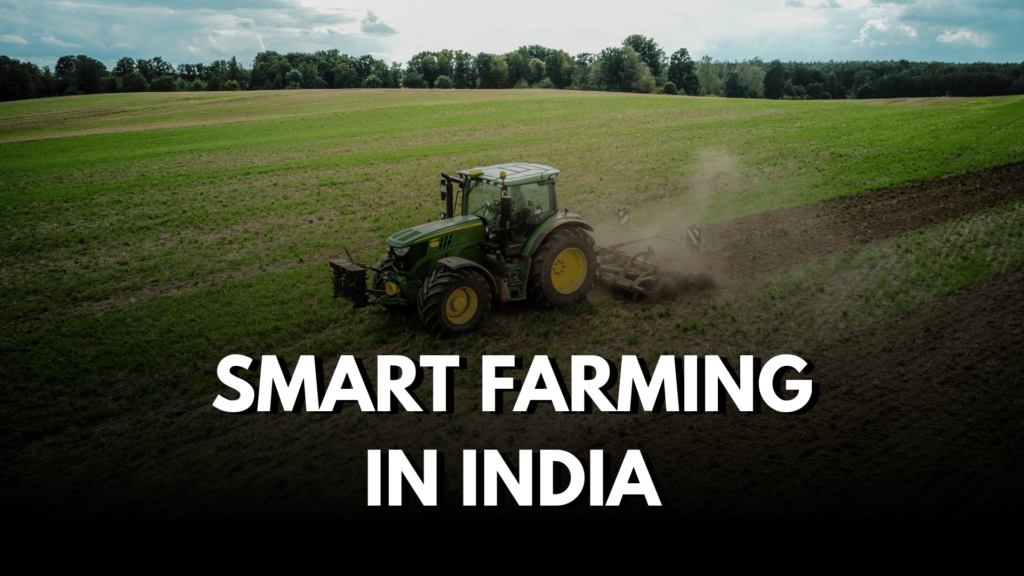
Smart Farming in India: Indian agriculture is changing. Farmers are no longer depending only on traditional methods. Today, data-driven agriculture and smart farming practices are slowly becoming part of the modern farming ecosystem.
Earlier, decisions were mostly based on experience and मौसम का अनुमान. But now, farmers are using market data, weather updates, and digital platforms to make better farming decisions.
This shift is not about replacing traditional knowledge, but improving it with better information.
What Is Data-Driven Agriculture?
Data-driven agriculture means using information such as:
- Weather forecasts
- Soil health data
- Market prices (मंडी भाव)
- Crop demand trends
- Input cost comparison
When farmers use this information before sowing or selling crops, they reduce risk and improve planning.
For example, checking mandi prices before selling produce can help farmers choose better timing.
Why Indian Farmers Need Better Market Awareness
One of the biggest challenges in Indian agriculture is price fluctuation.
कई बार किसान फसल उगाने के बाद सही दाम नहीं प्राप्त कर पाते। This happens because:
- Sudden increase in supply
- Weak market linkage
- Lack of real-time price awareness
If farmers track market trends regularly, they can plan crop selection better.
Understanding demand trends is now as important as understanding soil fertility.
Role of Digital Agriculture Platforms
Today, digital agriculture platforms are helping farmers access structured information. Through online platforms, farmers can:
- Check crop prices
- Compare input options
- Access agriculture-related services
- Stay updated with policy and scheme information
Digital access does not guarantee higher income, but it improves transparency and decision-making clarity.
In the broader agriculture ecosystem, platforms like Rupiya.app aim to organize agriculture-related services and provide structured access to information that supports better farm-level decisions.
The focus is not on hype, but on accessibility and informed participation in the agriculture economy.
Why Smart Planning Matters in 2026 and Beyond
Indian agriculture is facing multiple challenges:
- Climate change
- Rising input costs
- Water scarcity (जल संकट)
- Market uncertainty
In such conditions, smart planning becomes essential.
Farmers who:
- Analyze cost of cultivation
- Study demand trends
- Diversify crops
- Monitor input spending
are more likely to maintain income stability over time.
Also Read: Carbon Credits in Agriculture
Agriculture today is not only about production. It is about planning, pricing, and positioning.
Importance of Financial Awareness in Farming
Another major area where improvement is needed is financial planning.
कई किसानों को सही financial planning की जानकारी नहीं होती। Managing credit, input purchases, and selling cycles requires structured thinking.
When farmers understand:
- Cash flow timing
- Cost vs expected return
- Risk exposure
they make more sustainable decisions.
Digital platforms connected to agriculture services are slowly building this awareness by providing organized information access.
Future of Agriculture: Information + Implementation
The future of Indian agriculture will depend on two things:
- Reliable information
- Practical implementation
Information alone is not enough. Farmers need tools and systems that are simple, accessible, and relevant to ground realities.
Digital ecosystems connected with agriculture services are becoming an important support layer. They do not replace farmers’ experience but enhance it.
Conclusion
Indian agriculture is entering a more structured and information-driven phase.
Traditional knowledge (पारंपरिक अनुभव) will always remain valuable. But combining it with:
- Market awareness
- Data-based planning
- Financial understanding
- Digital access
can help create more stability in farming income.
The goal is simple: better decisions, reduced uncertainty, and stronger agricultural participation in the evolving rural economy.
(1). What is Data Driven agriculture?
Data-driven agriculture means using information like weather forecasts, mandi prices, soil health data, and crop demand trends to make better farming decisions. It helps farmers reduce risk and improve planning.
(2). Why is Market Awareness is important for farmers?
Market awareness helps farmers understand price trends, demand patterns, and timing for selling crops. Without proper market knowledge, farmers may sell produce at lower prices.
(3). How can checking mandi-prices help farmers?
By checking mandi prices regularly, farmers can decide the right time and place to sell their crops. This can improve price realization and reduce losses caused by sudden price drops.
(4). What role does technology play in Modern India Agriculture?
Technology provides access to real-time information, crop updates, and agriculture-related services. It supports decision-making but does not replace traditional farming knowledge
(5). How can climate change affect farming decisions?
Climate change causes unpredictable weather conditions such as irregular rainfall and heatwaves. Farmers need weather-based planning to manage crop risks effectively.
(6). Why is financial planning is important in agriculture?
Financial planning helps farmers manage input costs, credit cycles, and cash flow. Proper planning reduces financial stress and supports long-term sustainability.
(7). What are the benefits of using Digital-agricultural Platforms?
Digital agriculture platforms provide structured access to:
(1). Market price information
(2). Agriculture services
(3). Input comparisons
(4). Updates related to farming
(5). This improves transparency and informed decision-making.
(8). How can farmers reduce risk in farming?
Farmers can reduce risk by:
(1). Diversifying crops
(2). Monitoring market trends
(3). Planning expenses carefully
(4). Staying updated with reliable information
(5). Risk management is becoming essential in modern agriculture.
(9). Is Traditional Farming Knowledge still relevant today?
Yes. पारंपरिक अनुभव आज भी महत्वपूर्ण है। However, combining traditional knowledge with data and market information leads to better outcomes.
(10). What is the future of Smart Farming In India?
The future of smart farming in India depends on better access to information, financial awareness, and structured digital support systems. Farmers who adapt to data-based planning are likely to make more stable decisions.