What Are the Benefits of Carbon Credits?

Carbon credits lead global green revolution
Carbon credits are at the heart of a global green revolution—empowering countries to cut emissions while growing their economies. India is stepping up as a key player in this shift.
As we work towards becoming a $7 trillion economy by 2030, we’re making it clear: progress doesn’t have to come at the planet’s expense.
Despite being the world’s third-largest emitter, our per-capita emissions are less than half the global average—proof that sustainable growth is possible. Guided by the Panchamrit Pledge, our 2070 net-zero goal, and initiatives like Mission LiFE and the Green Credit Program, we’re reshaping how development and climate action work together.
By launching the Carbon Credit Trading Scheme and establishing the Indian Carbon Market, India is building a strong foundation for climate finance and green innovation. These efforts not only reduce emissions but also create opportunities across sectors and communities.
The impact of carbon credits goes far beyond emissions—it brings environmental, economic, and social benefits that are transforming how we grow.
Ready to be part of the green revolution?
Whether you’re a farmer, business owner, policymaker, or climate-conscious citizen, carbon credits offer a path to meaningful climate action and sustainable growth.
Take action today. Grow your future, green.
Carbon Credits and Their Environmental Benefits
1. Reduction in Greenhouse Gas Emissions
Carbon credits create a financial incentive for companies to cut emissions. By allowing the trading of surplus credits, the system rewards low emitters and motivates high emitters to adopt cleaner technologies—driving overall reductions in GHG emissions.
2. Encourages Sustainable Farming & Forestry
Carbon credit schemes recognize practices like agroforestry, no-till farming, and reforestation. These methods capture and store carbon while improving soil health and biodiversity—turning sustainable land use into a source of income for farmers and foresters.
3. Promotes Renewable Energy Adoption
Clean energy projects like solar, wind, and biogas generate carbon credits by displacing fossil fuel use. These credits help finance renewable energy infrastructure, especially in developing economies like India, accelerating the green transition.
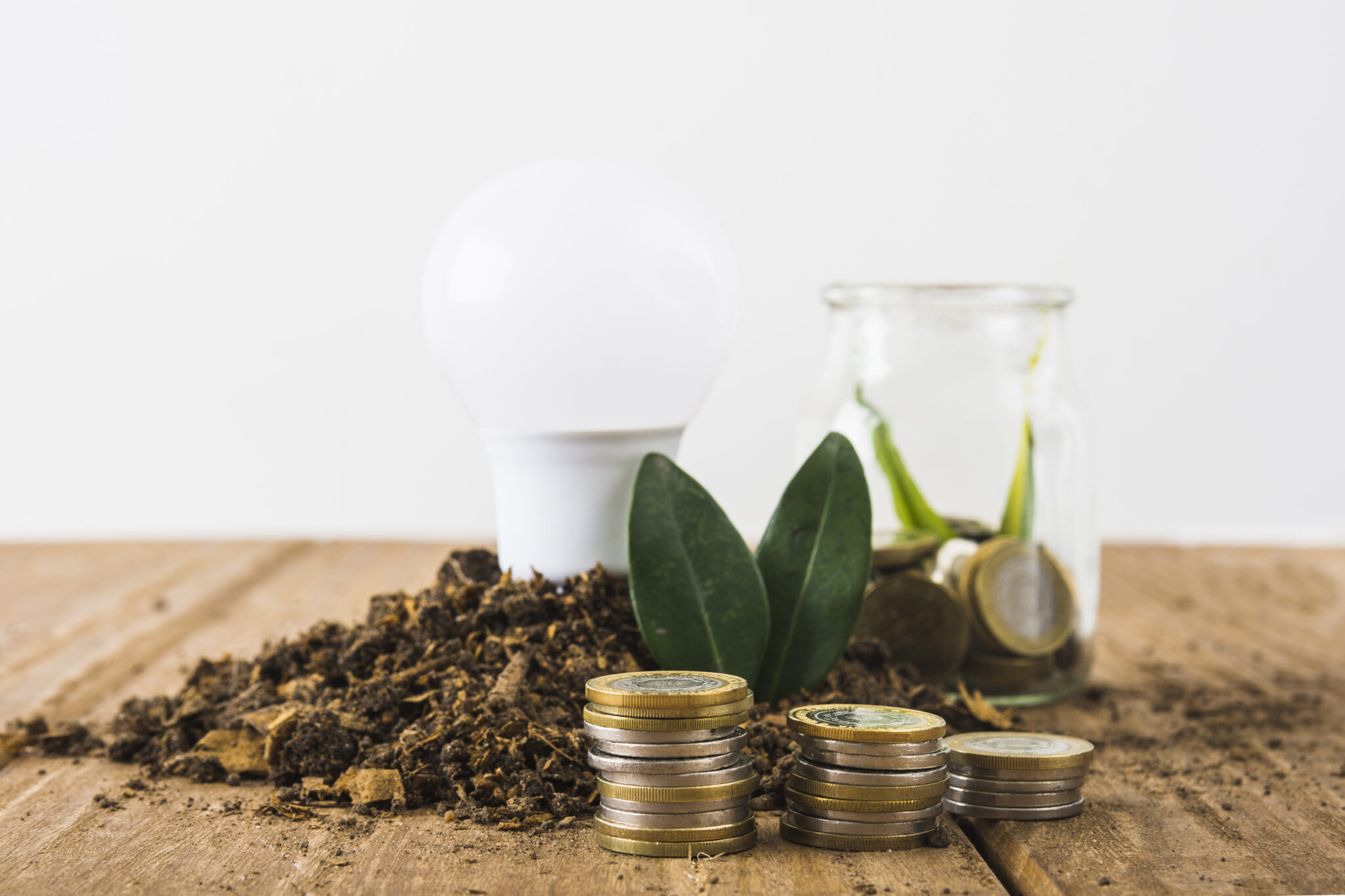
Economic Benefits of Carbon Credits
1. Provide Extra Income for Farmers & Businesses
- Farmers earn carbon credits by adopting sustainable practices like no-till farming, agroforestry, and methane reduction in livestock.
- Businesses generate credits through energy-efficient operations and renewable energy projects.
- These credits can be sold in voluntary or compliance markets, creating a new revenue stream.
2. Create Jobs in Green Industries
- The carbon market supports employment in clean energy, carbon farming, sustainability consulting, and emissions tracking.
- It opens roles for rural communities in project implementation and for data and climate finance professionals.
3. Reduce Compliance Costs for Companies
- Instead of expensive infrastructure upgrades, companies can buy carbon credits to meet short-term emission targets.
- This flexibility allows them to phase in low-carbon technologies more cost-effectively.
Carbon Credits and Their Social Benefits
1. Encourage Climate Action Globally
- Carbon credits promote global cooperation in the fight against climate change by allowing countries and companies to support verified emission reduction projects worldwide.
- They create a shared framework for accountability, helping developing countries access climate finance and enabling developed nations to meet their targets.
- This global mechanism builds trust, fosters innovation, and accelerates climate action across borders.
2. Support Rural Development
- Carbon credit projects often take place in rural areas—such as reforestation, improved cookstoves, or sustainable agriculture—bringing infrastructure, training, and employment to local communities.
- These initiatives empower rural populations, improve livelihoods, and enhance climate resilience at the grassroots level.
- Income from carbon credits also provides a financial incentive to preserve local ecosystems and adopt long-term sustainable practices.
How carbon credits are shaping a sustainable future
Carbon credits give us a powerful way to cut emissions and move toward a low-carbon future. They let businesses, governments, and individuals take real climate action by supporting verified green projects.
Groups like Earthood help make sure these efforts are transparent and impactful, guiding businesses through the carbon market with confidence.
From Tesla to Microsoft, real-world success shows carbon credits can fuel both growth and sustainability. But to make them truly effective, we need clear rules, responsible action, and steady investment in clean tech.
As the climate crisis grows, combining carbon credits with direct emission cuts is key to reaching net-zero—and leaving behind a healthier planet.
frequently asked questions
- How can I earn money from carbon credits as a farmer?
You can earn carbon credits by adopting eco-friendly practices like no-till farming, agroforestry, or reducing methane from livestock—then sell those credits for extra income.
- Do I need special equipment to start earning carbon credits?
Not always. Many approved practices, like better soil management or planting trees, use techniques you may already know—just with proper documentation and verification.
- Is it difficult to register my farm for carbon credits?
It can be complex alone, but you can work with carbon platforms or aggregators who help with the registration, monitoring, and selling of your credits.
- Can small farmers like me join the carbon market?
Yes. Many programs now support smallholder farmers by pooling their efforts into one project, making it easier to participate and benefit.
- Will these practices affect my crop yield?
You can reach out to trusted platforms like rupiya.app or partners like Earthood who guide farmers through the entire carbon credit process.